
Licensing your music can seem like a maze when all you want is to get paid and protect your work. Many artists miss out on fair compensation simply because they don’t know the right steps to take or the options available to them. This guide explains how to license music, details the main types of music licenses, and shows how Shamusic’s new Music Rights Finder helps you verify rights before signing any agreement. Ready to take control of your music rights and your income?
The Basics of Music Licensing
Music licensing is the process of granting permission to third parties to use your compositions or recordings in exchange for a fee. When you license your music, you retain ownership while allowing others to legally use it in movies, TV shows, commercials, video games, streaming platforms, and other media.
The licensing process protects both you and those who want to use your work. Without the proper license, your music could be used without compensation, or—worse yet—you could face legal complications if the rights aren’t clearly established.
Why Music Licensing Matters for Your Career
Licensing your music opens up multiple sources of income for your creative work. Every time your song plays in a commercial, appears in a Netflix series, or is used in a YouTube video, you earn money. These opportunities can turn your music from a labor of love into a sustainable source of income.
Beyond the financial benefits, music licensing helps build your professional reputation. When your work appears in popular media, you gain exposure to new audiences who may become lifelong fans. This visibility can lead to more licensing opportunities, bookings for live performances, and collaborations with other artists.
Types of Music Licenses You Should Know About
Understanding the different types of music licenses helps you choose the right agreements for your work. These are the main categories:
**Sync license:** Allows you to use your music in audiovisual content such as movies, TV shows, commercials, or video games. This type of license typically offers substantial royalties and significant exposure.
**Mechanical License:** Required when someone wants to reproduce and distribute your composition, whether in physical copies, downloads, or streaming services. It applies to both cover versions and original recordings.
**Public performance license:** A fee is charged when your music is played in public—in restaurants, on radio stations, at concerts, or on streaming platforms. Performing rights organizations typically collect this fee on your behalf.
**Master Use License:** Grants permission to use a specific recording of your song. It differs from a synchronization license in that it covers the recording itself, not just the composition.
**Printing License:** Required when someone wants to print your sheet music or lyrics for distribution or sale.
Steps to Successfully License Your Music
Following this guide will help you navigate the process with confidence.
Register Your Music Rights
Before licensing your music, you must clarify ownership. Register your compositions with a performance rights organization such as ASCAP, BMI, or SESAC. These organizations collect royalties on your behalf when your music is performed in public.
Registering your copyright with the official agency in your country provides additional legal protection. This creates an official record of your authorship and makes it easier to take action if someone uses your work without permission.
Check the rights using Shamusic’s Music Rights Finder
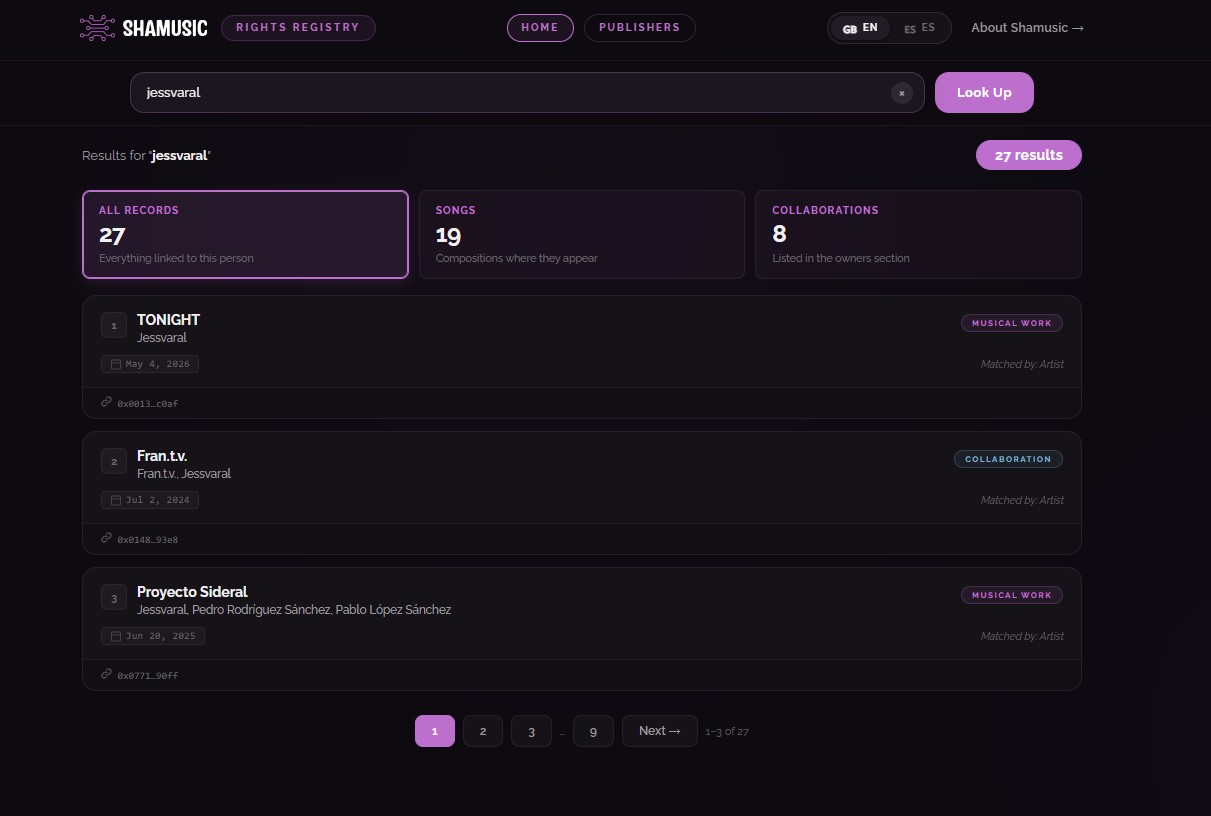
Shamusic has launched a Music Rights Search Tool designed specifically to help artists verify music rights before signing licensing agreements. This tool allows you to confirm ownership details, check for existing licenses, and ensure there are no conflicts that could complicate your agreements.
The Music Rights Finder gives you peace of mind by providing transparent information about who owns what. Before signing any contract, use this resource to verify that all rights are properly documented and that you have the authority to grant the licenses you’re offering.
Define the terms of your license
Decide which uses you will allow and at what price. Consider whether you want exclusive or non-exclusive licenses. Exclusive licenses grant rights to a single party, while non-exclusive licenses allow you to license the same music to multiple parties.
Set your price based on factors such as scope of use, duration, territory, and the licensee’s budget. An ad for a local business isn’t worth the same as a national advertising campaign.
Use licensing platforms and representatives
Platforms like Shamusic connect artists with licensing opportunities, helping your music get discovered by music supervisors, producers, and content creators. These platforms streamline the licensing process and handle administrative tasks that might otherwise overwhelm an independent artist.
You can also work with music licensing agents or synchronization agencies that specialize in placing music in media. These professionals have established relationships with decision-makers and can negotiate better deals on your behalf.
Draft clear license agreements
Every licensing agreement should include a written contract that specifies the scope of use, payment terms, duration, territory, and any restrictions. Clear agreements prevent misunderstandings and protect your musical rights.
If legal language is a challenge for you, consider working with an attorney who specializes in the entertainment industry and music licensing. This investment protects you from unfavorable terms and ensures that you receive fair compensation.
How Shamusic Supports You Throughout Your Licensing Process
Shamusic offers comprehensive tools for independent artists working in the world of music licensing. In addition to the Music Rights Finder, the platform helps you register your works, verify your authorship, and protect your copyright.
By centralizing these essential functions, Shamusic empowers you to manage your music rights professionally without the need for expensive legal teams. Its accessible approach puts professional-level protection within reach of emerging artists who are just starting to license their music.
Take control of your music career
Learning how to license your music puts you in the driver’s seat of your creative career. You decide how your work is used, who can use it, and what compensation you receive. That control is essential to building a sustainable music career.
Start by registering your works, familiarizing yourself with the different types of music licenses, and using tools like Shamusic’s Music Rights Finder to verify your rights. Every step you take strengthens your position as a professional artist who understands the business side of music.
Your music deserves protection, and you deserve fair compensation for your creativity. With this guide as a foundation, you’re ready to turn your compositions into profitable assets without compromising the artistic integrity that makes your work special.
Frequently Asked Questions
**What is the difference between a synchronization license and a mechanical license?**
A synchronization license grants permission to combine your music with visual content such as movies, TV shows, or commercials. A mechanical license allows you to reproduce and distribute your composition through physical copies, downloads, or streaming. You may need both, depending on how your music will be used.
**How much should I charge to license my music?**
Licensing fees vary widely depending on the scope of use, duration, territory, and available budget. Small independent projects may pay between $50 and $500, while a national ad campaign can cost $10,000–$100,000 or more. Research industry standards and consider working with licensing professionals to set a fair rate for your situation.
**Do I need to register my music before licensing it?**
Yes. Registering your music establishes clear ownership and ensures that the licensing agreement is legally sound. Register it with a performing rights organization and also consider filing for official copyright registration. Tools like Shamusic help you document your authorship and generate verifiable proof before signing licensing agreements.
**Can I license my music to multiple parties at the same time?**
Yes. With non-exclusive licenses, you can grant permission to multiple parties to use your music at the same time. This approach maximizes your earning potential, since your work can appear in multiple projects simultaneously. Exclusive licenses, on the other hand, grant rights to a single party for a specified period.
**What is Shamusic’s Music Rights Finder, and how does it help with licensing?**
Shamusic’s Music Rights Finder is a verification tool that allows you to check ownership information before signing new licensing agreements. It helps you confirm that the rights are properly documented, identifies potential conflicts, and ensures that you have the authority to grant the licenses you offer, thereby avoiding legal complications down the road.